1. Walk the grounds
For outdoor spaces, the crew walks fence lines, planters, corners and bushes where needles collect.
Nanakuli, HI · Honolulu County
Worried about what is hiding in drawers, bags or a vacant building in Nanakuli? Call (877) 812-4220. Crews check the whole space, collect sharps with tools and clean up afterward.
If anyone is in danger, call 911 first. For a suicide crisis, call or text 988.
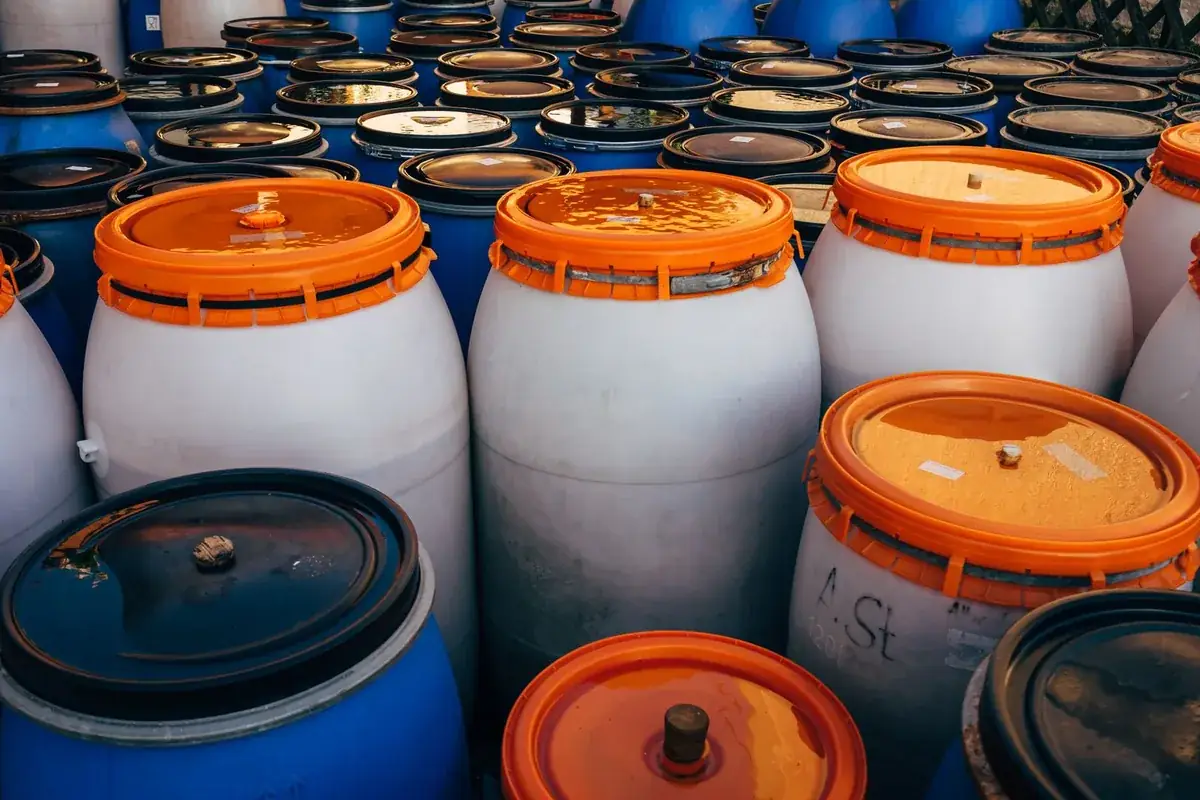
Biohazard sharps removal is more than picking up one needle. It involves sweeping an area, checking furniture and corners, collecting every sharp and confirming nothing is left behind.
You will not be judged when you call Nanakuli Biohazard Cleanup Help about needles in Nanakuli or Honolulu County. Crews focus on making the property safe and on disposing of sharps properly, following the rules for regulated medical waste.
The vacancy rate in Honolulu County is only about 10%, so most needle calls come from occupied homes, rentals, yards and businesses. If anyone is stuck by a needle, the nearest emergency room is Pali Momi Medical Center in Aiea, about 17 miles from Nanakuli. Call 911 in an emergency.
What needle & sharps cleanup covers:
For outdoor spaces, the crew walks fence lines, planters, corners and bushes where needles collect.
Sharps are separated from other items so soft goods are not handled until the sweep is done.
Sharps are locked in secure containers marked for medical waste.
The room is cleaned, odors are handled if needed, and the owner gets a summary of the work.
The cost of needle & sharps cleanup in Nanakuli, HI depends on the amount of material, how it is packed and how it is hauled.
Disposal as regulated medical waste is part of the work, and treatment facilities charge by container or weight.
| Type of job | Typical range |
|---|
These ranges come from published cost guides () and are not a quote for Nanakuli. Price drivers include number of items, where they are found, whether a sweep of a large area is needed, waste disposal. For a real number, call (877) 812-4220.
A used needle can carry bloodborne pathogens such as hepatitis B, hepatitis C and HIV. The chance of infection from one stick depends on many things, and a doctor can explain what applies. Get medical care promptly after any stick or cut.
Do not go in to look. Report it to the owner, the local health department or a cleanup team. A team can sweep the whole building in protective gear, remove the sharps and give the owner a record of the work.
Some cities and counties collect found needles from public land at no charge, and many do not. Availability varies. The local health department or public works office can say what exists where you live, and a cleanup team can help with private property.
No. Crews focus on safety and cleanup, not on why the needles are there. The team asks only what it needs to plan the work, and you decide what else to share.
In many cases the person who calls does not need to be at the property. Ask the team how access and keys can be arranged. Many teams can also arrive in an unmarked vehicle, so ask about that if privacy matters to you.
Loose needles should not go in household trash, because they can stab sanitation workers. Rules for small amounts of household sharps vary by city and county. The local health department can say what is allowed, and a cleanup team can take larger amounts.
One call can start a sweep for a yard, a rental or a whole building.
Call (877) 812-4220